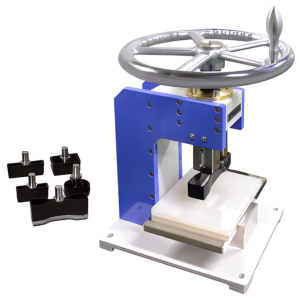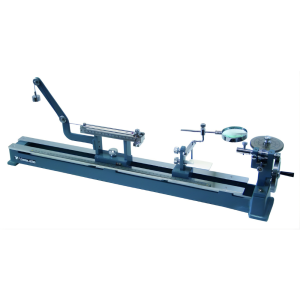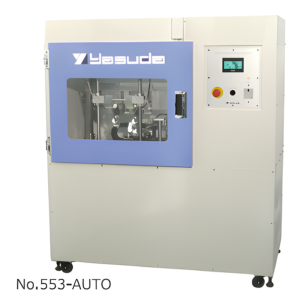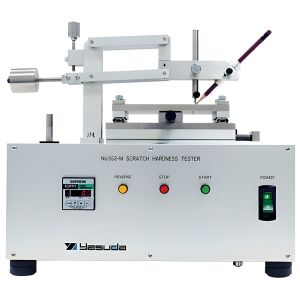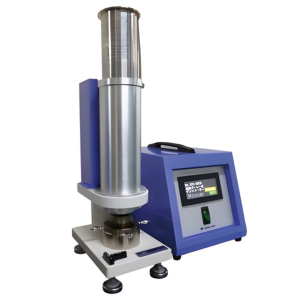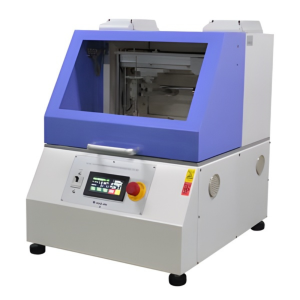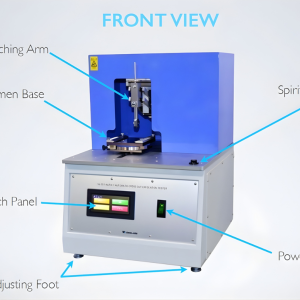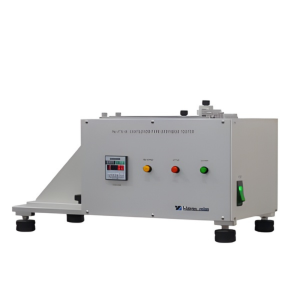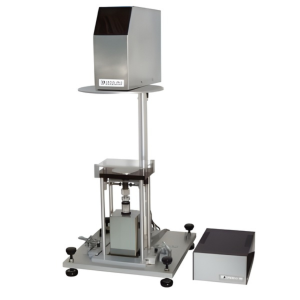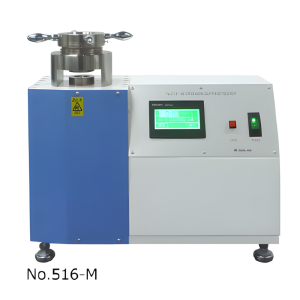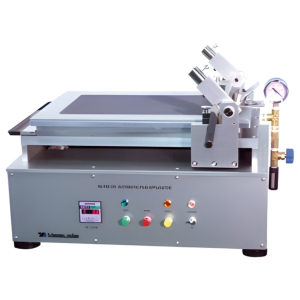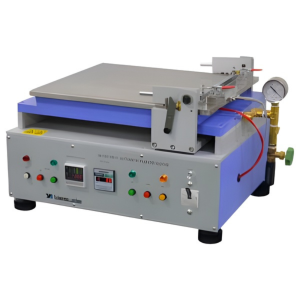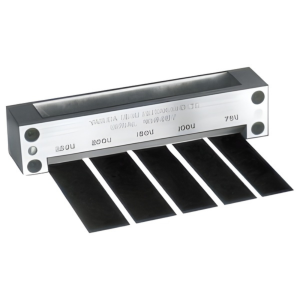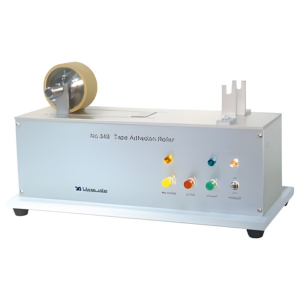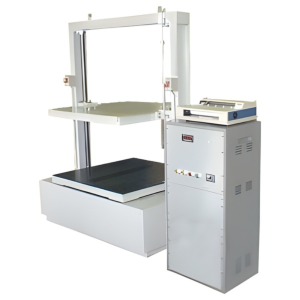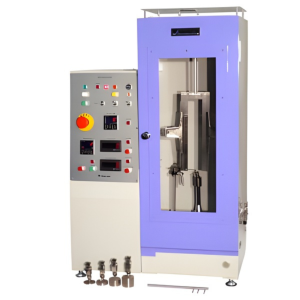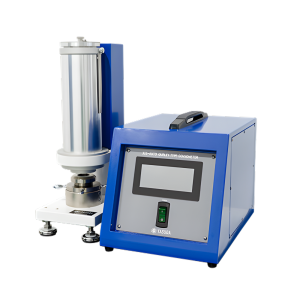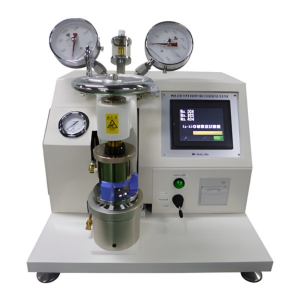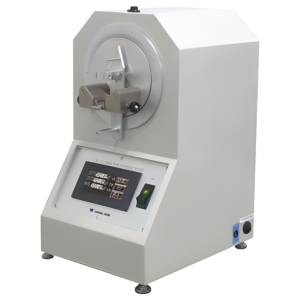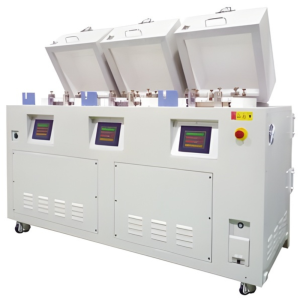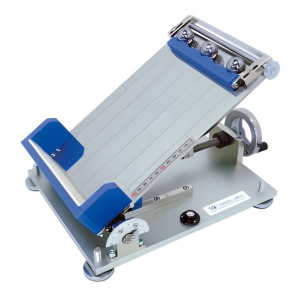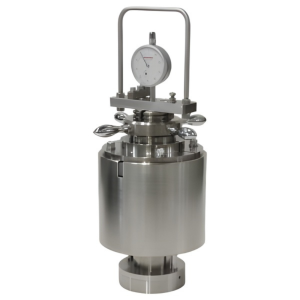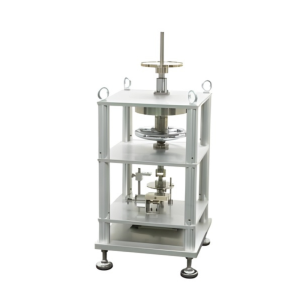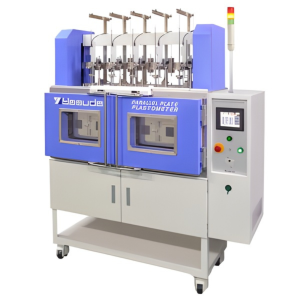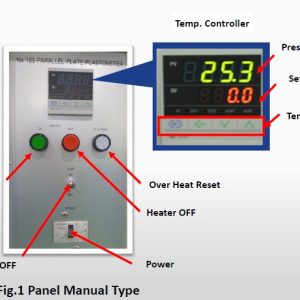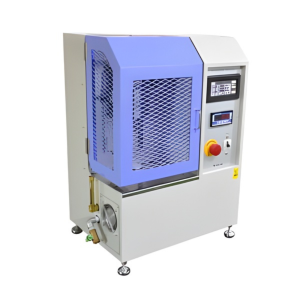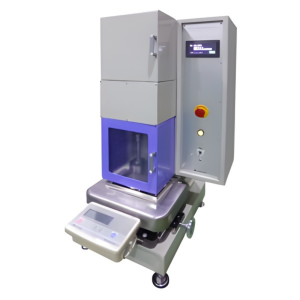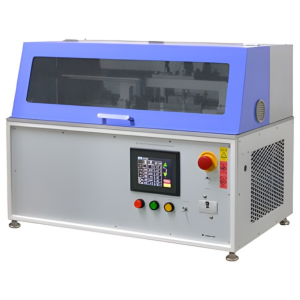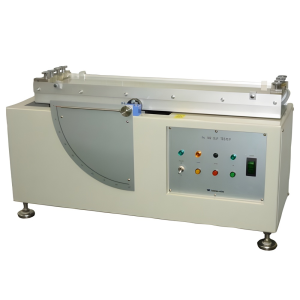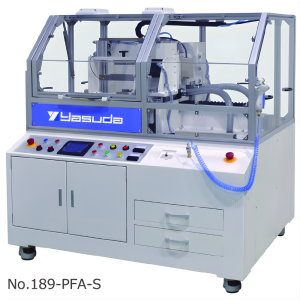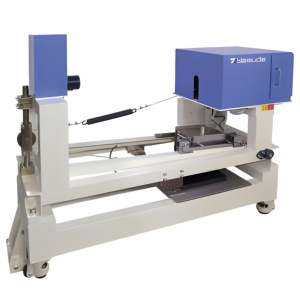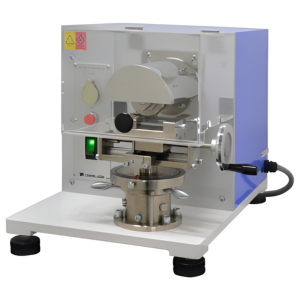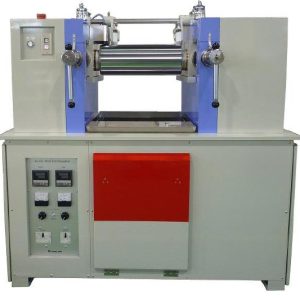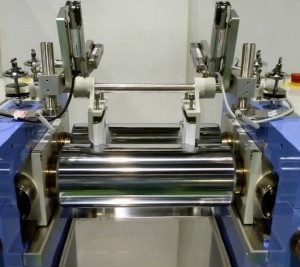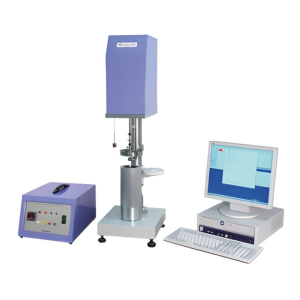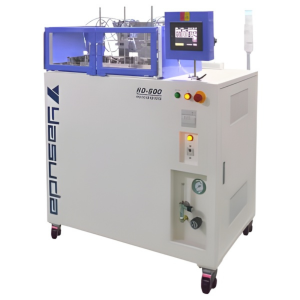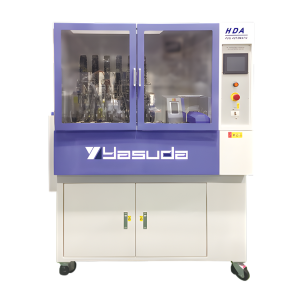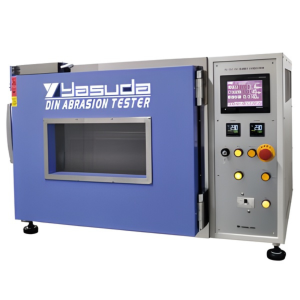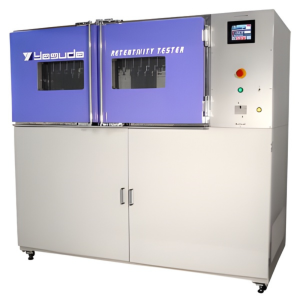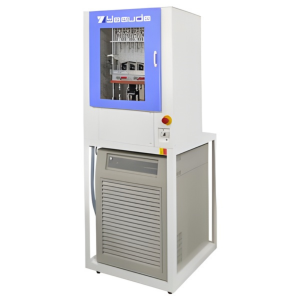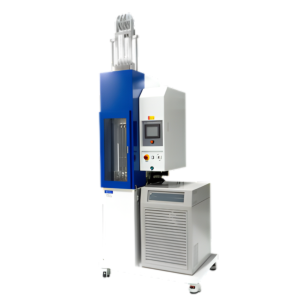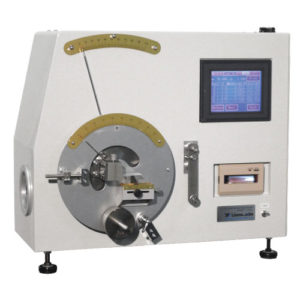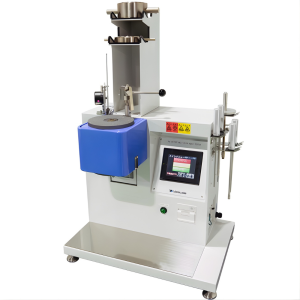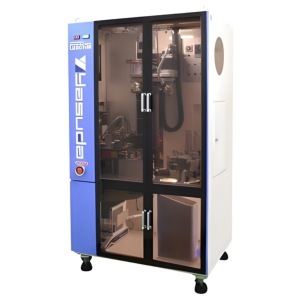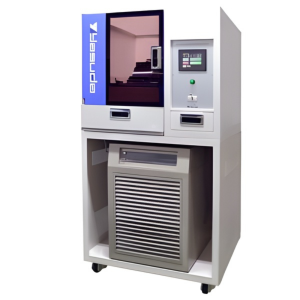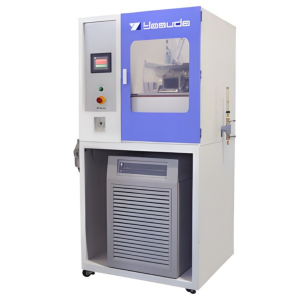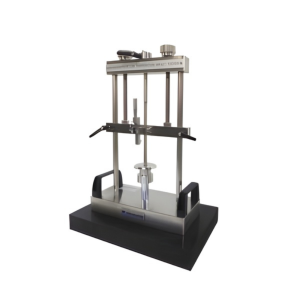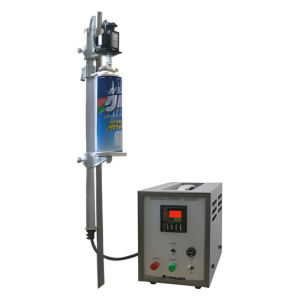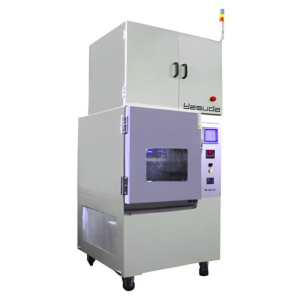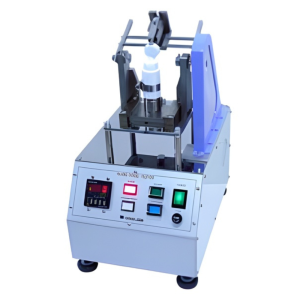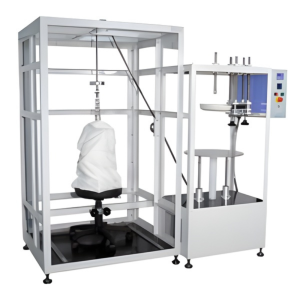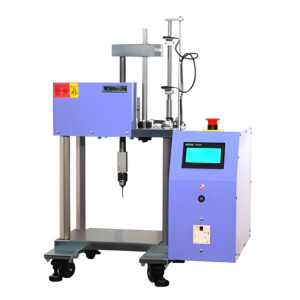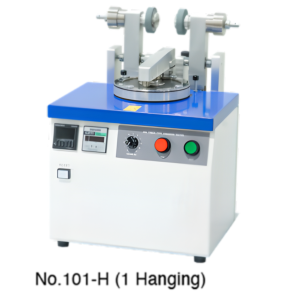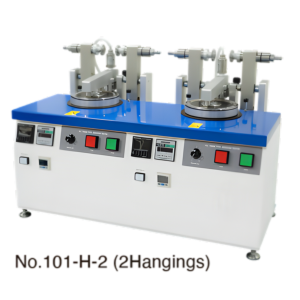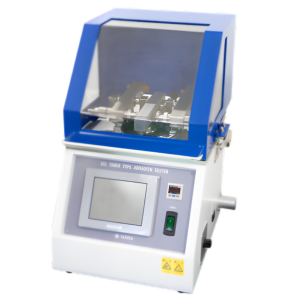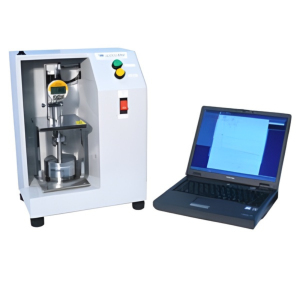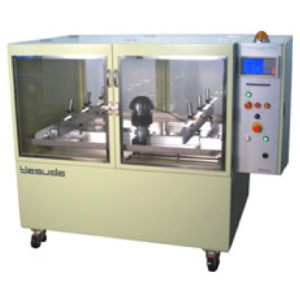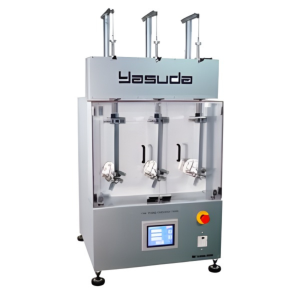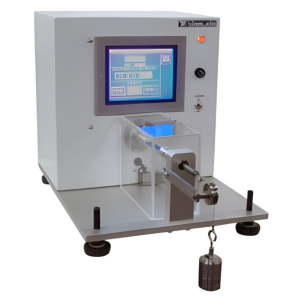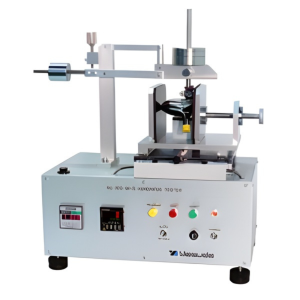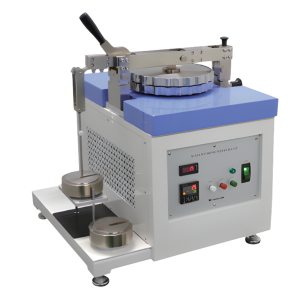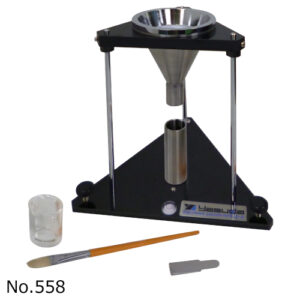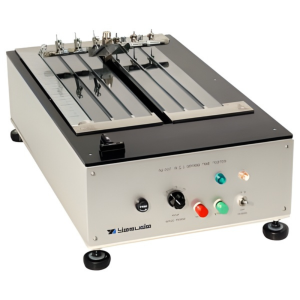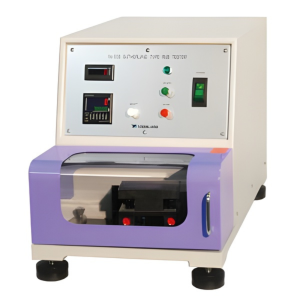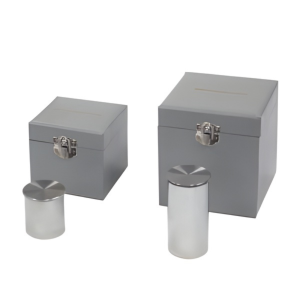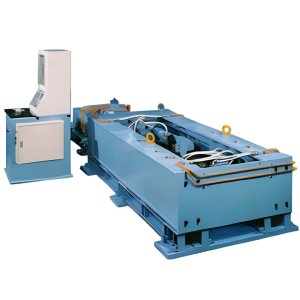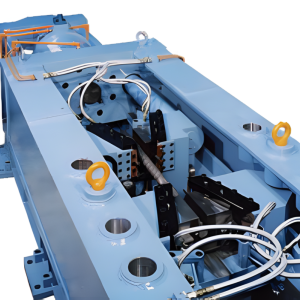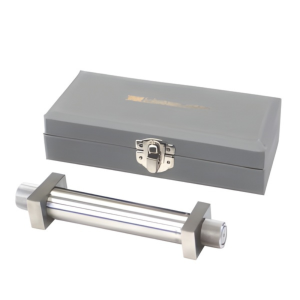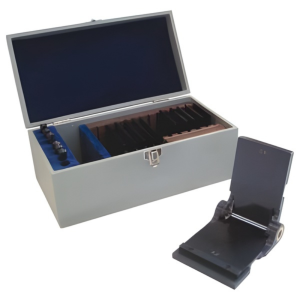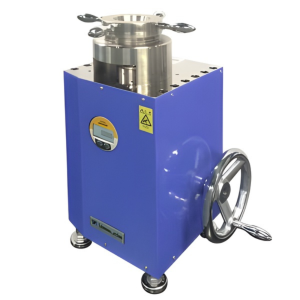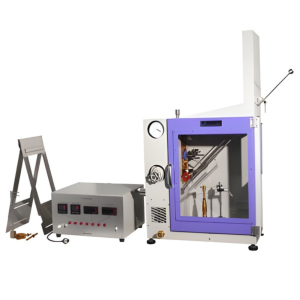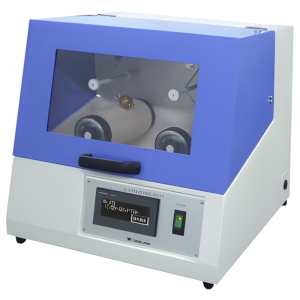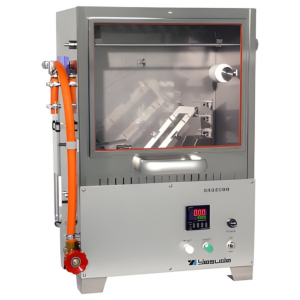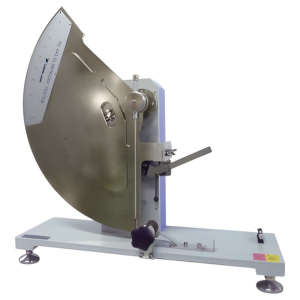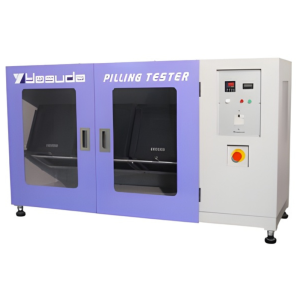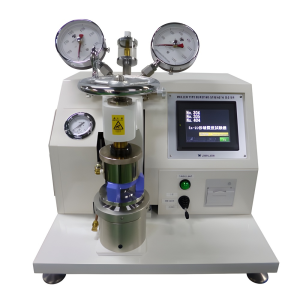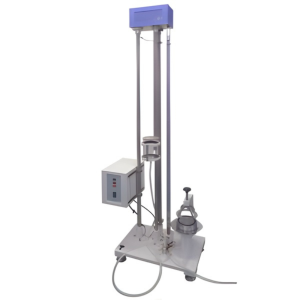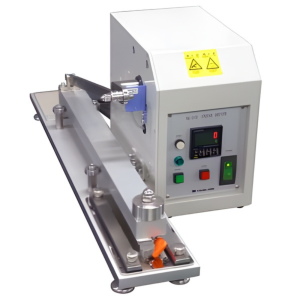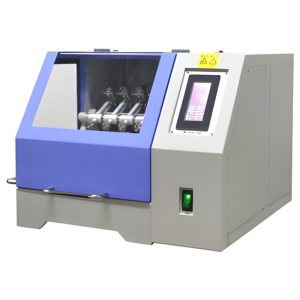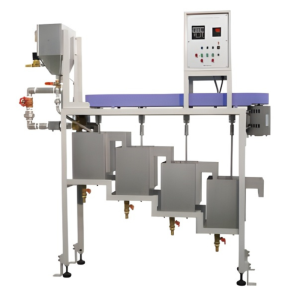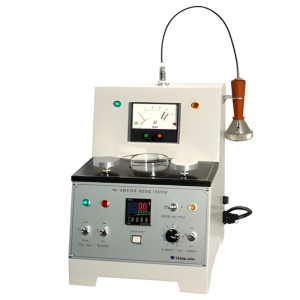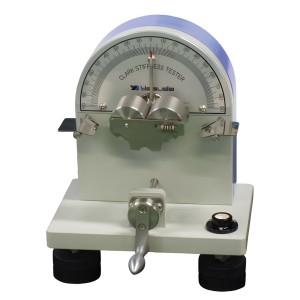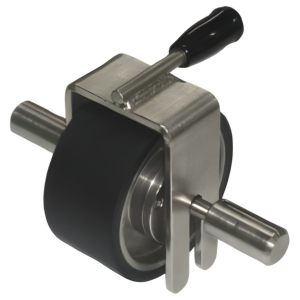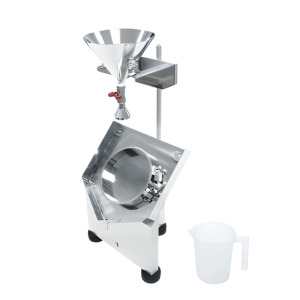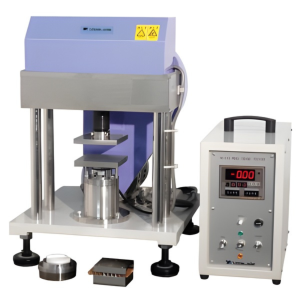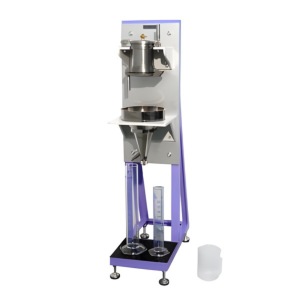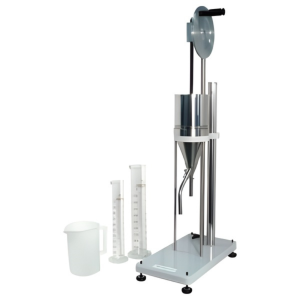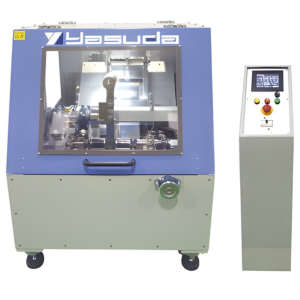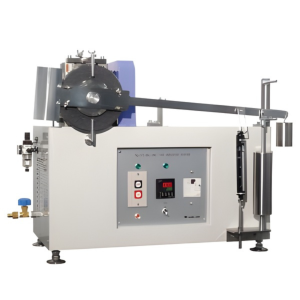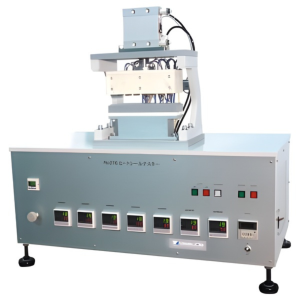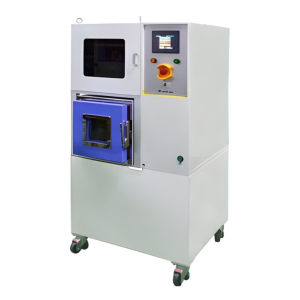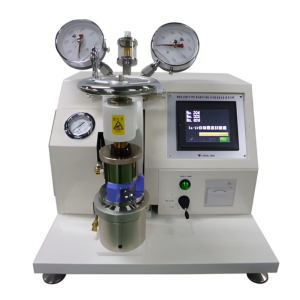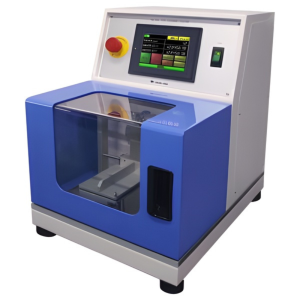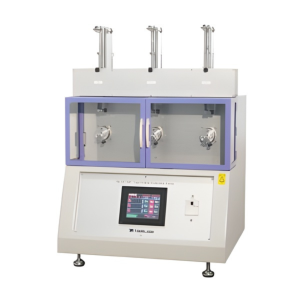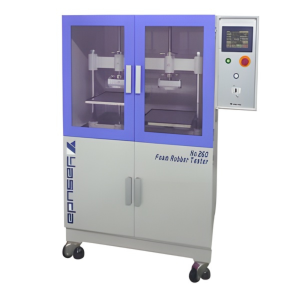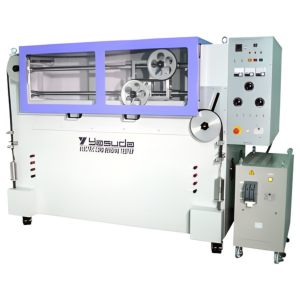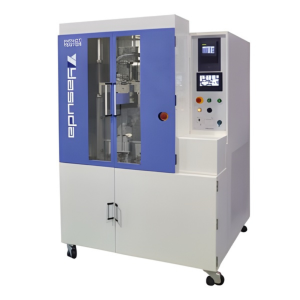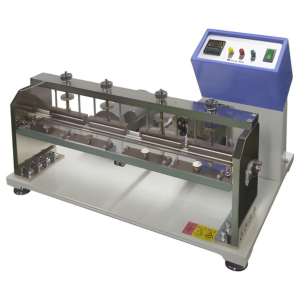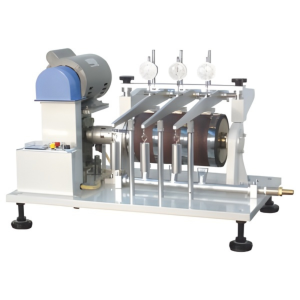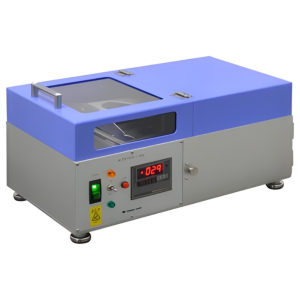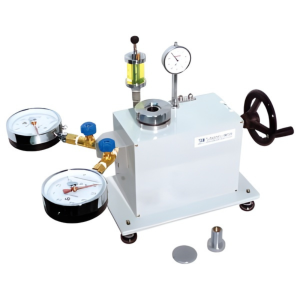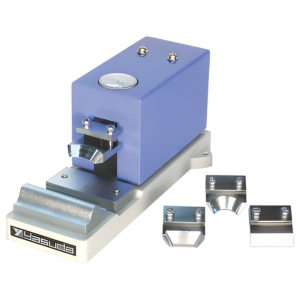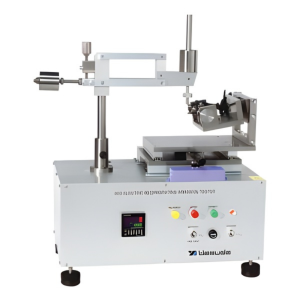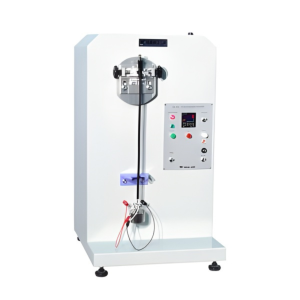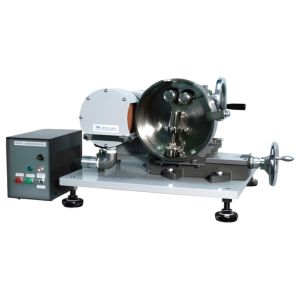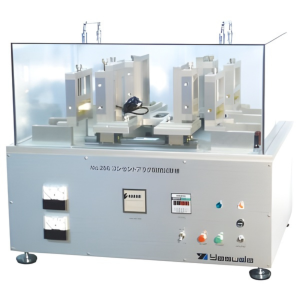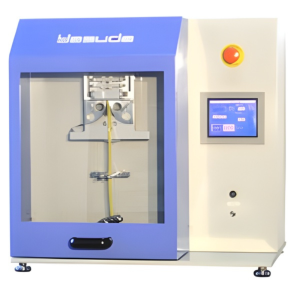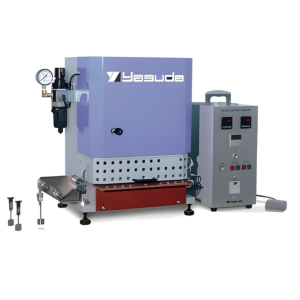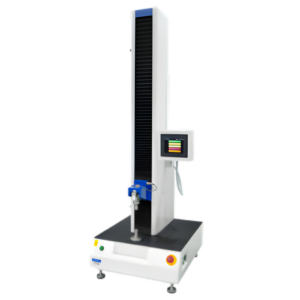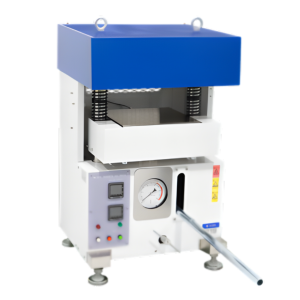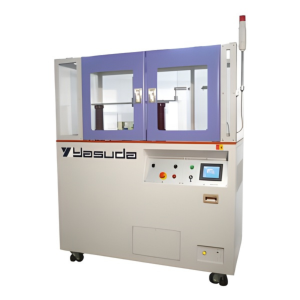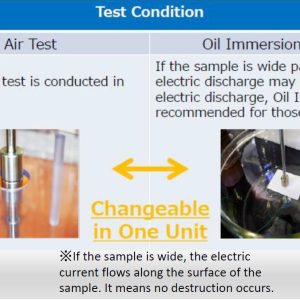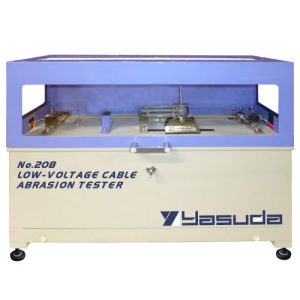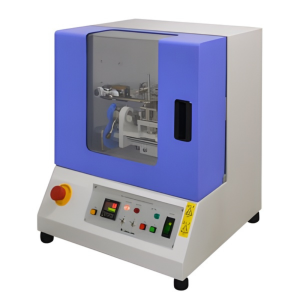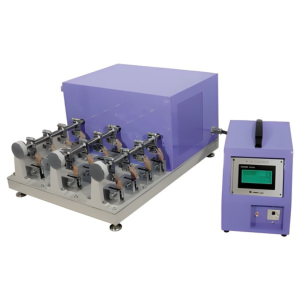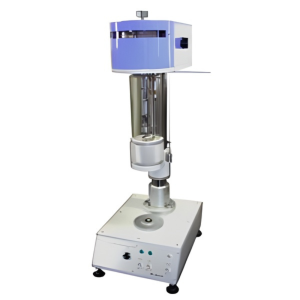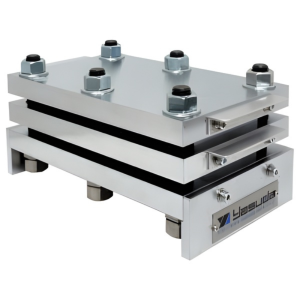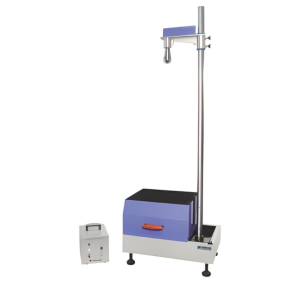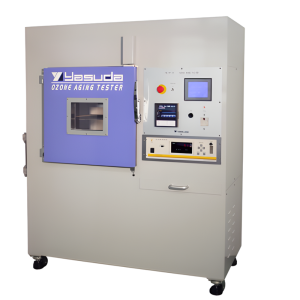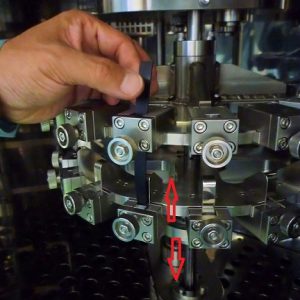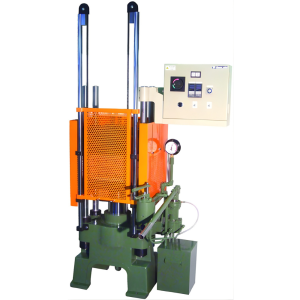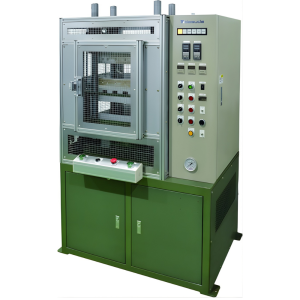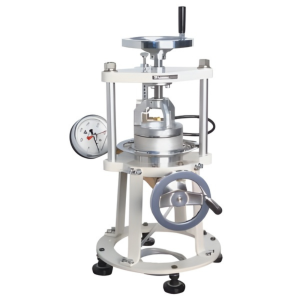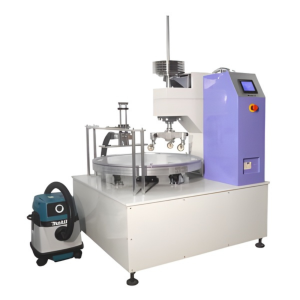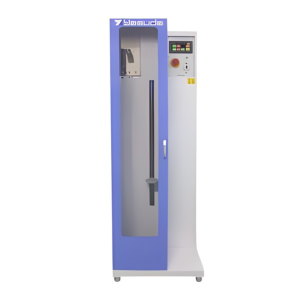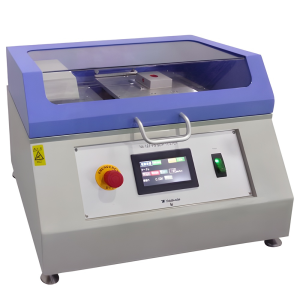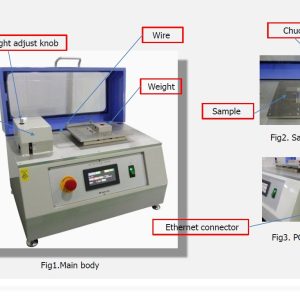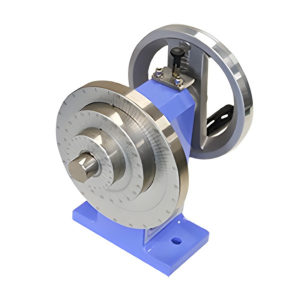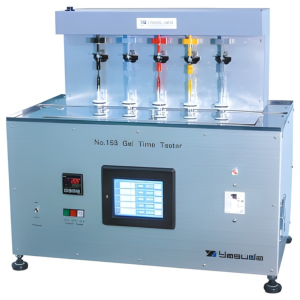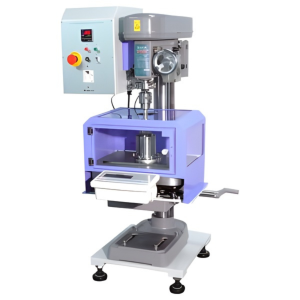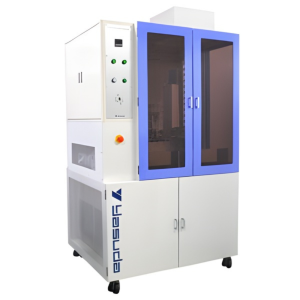
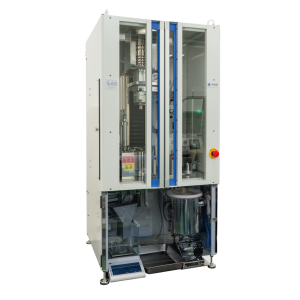
Melt flow rate (MLR) testing machine is used to evaluate the flowability and viscosity of plastic pellets before they enter the manufacturing process.
Fully automated system, from sample cutting to test cylinder cleaning, it significantly increases accuracy and reduces maintenance requirements.
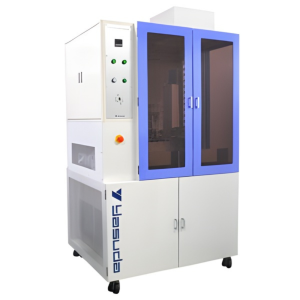
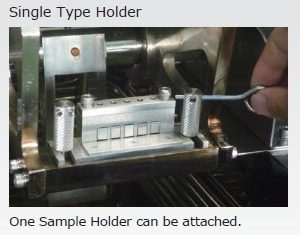
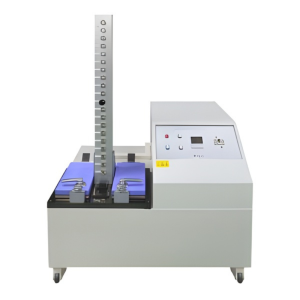
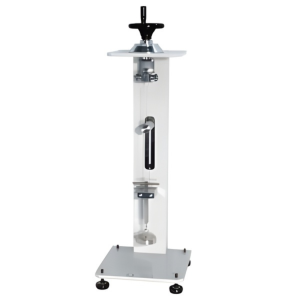
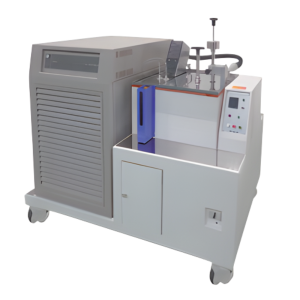
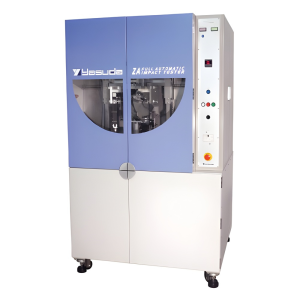
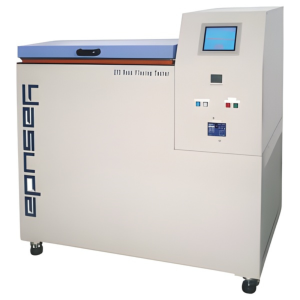
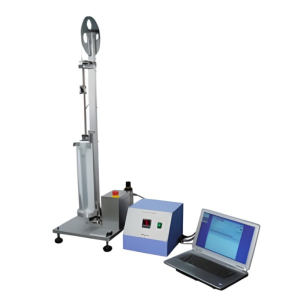
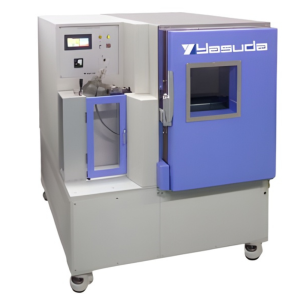
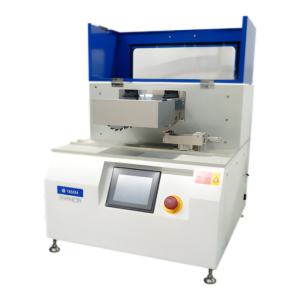
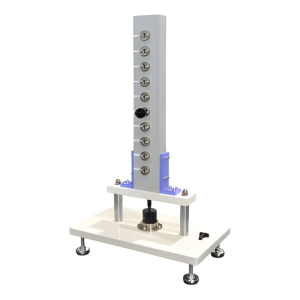
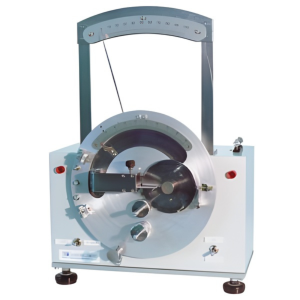
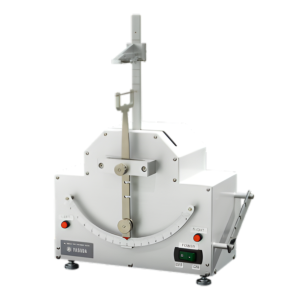
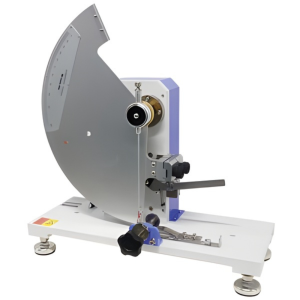
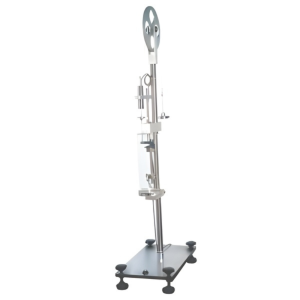
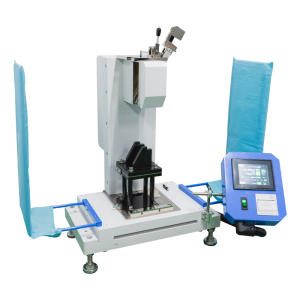
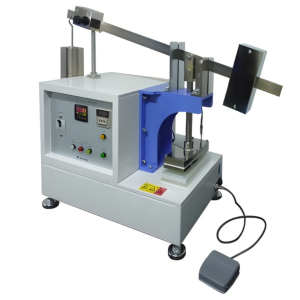
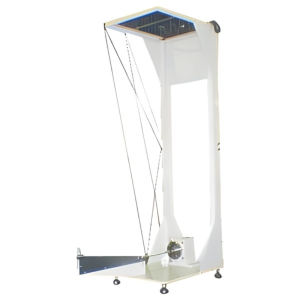
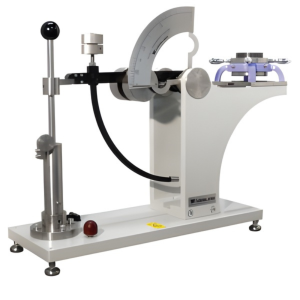
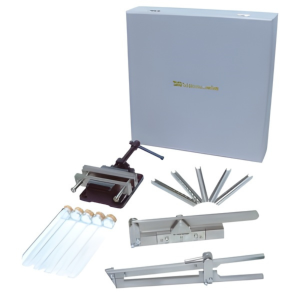
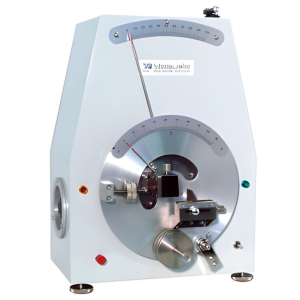
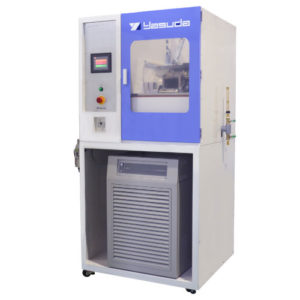
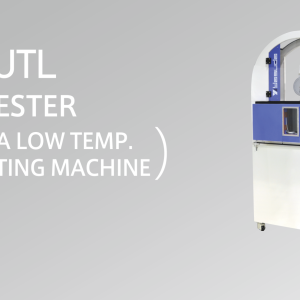
Low-temperature material fracture testing machine is used to assess the cold resistance of materials such as rubber or wire insulation when subjected to impact at low temperatures (brittleness point).
The features a highly efficient cooling system (with options for dry ice or a refrigerator), and an automatic model (No. 121-Auto) capable of continuously testing up to 200 samples, saving time and increasing analysis accuracy.

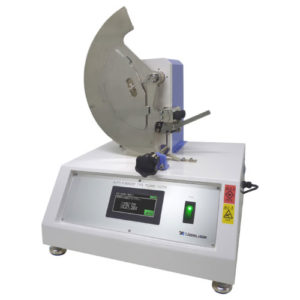
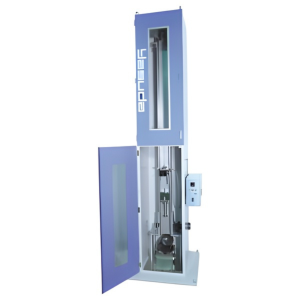
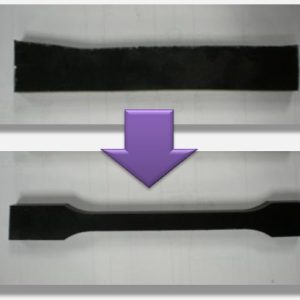
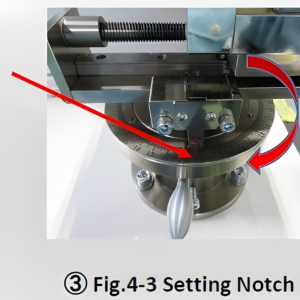
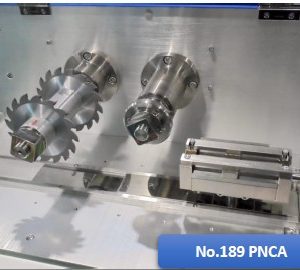
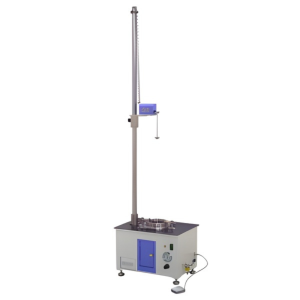
The principle of the impact test is that a hammer swings and strikes the specimen at a specified height. The specimen has a V-shaped notch. The impact energy (the energy required to fracture, deform, or break the specimen) is measured to evaluate the material's strength. The energy absorbed by the specimen to fracture it is measured.
The greater the strength, the higher the energy absorption upon impact. Therefore, samples that can absorb more energy will be stronger and more resistant to shock, in accordance with ISO 13802 and JIS B7739 standards.
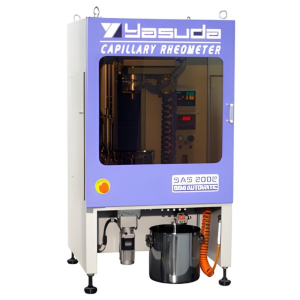
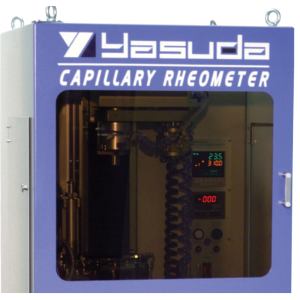
The machine tests the flow properties of molten plastic during the molding process. It can measure the viscosity of the molten material, which is crucial for forming plastic parts through injection molding or extrusion.
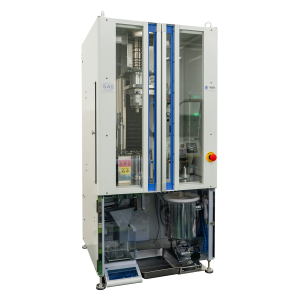
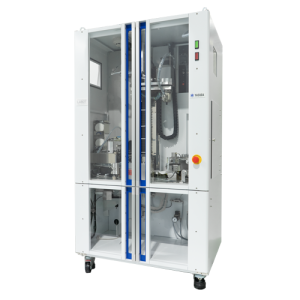
Plastic Flow Rate Testing This is a method for testing and measuring the flow properties of polymers in a molten state, with controlled pressure and temperature to simulate the molding process.
In the forming process, the sample is poured and melted in a heated cylinder, then extruded from the mold. The flowability test (Melt Flow Test Help simulate and simplify processes for use in plastic extrusion molding. MFR Therefore, it is commonly used as a basic index for controlling the quality of plastic materials.
(MFR Melt flow rate, expressed in grams per10 Minute And (MVR Melt flow rate, expressed in cubic centimeters/10 Minute
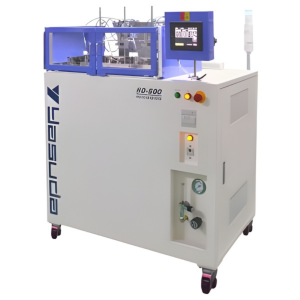
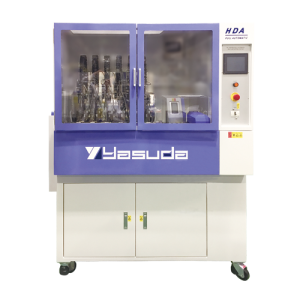
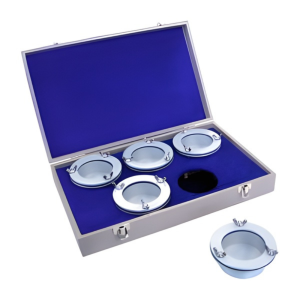
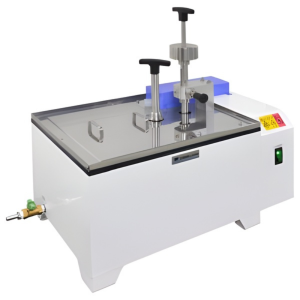
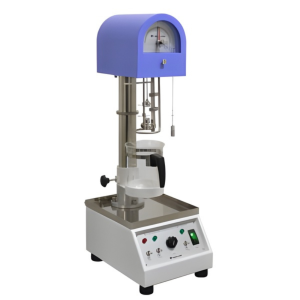
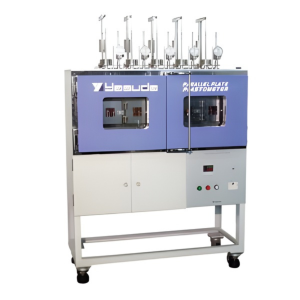
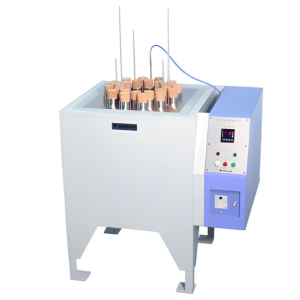
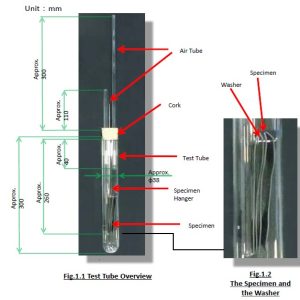
HDT/DTUL is a standard for measuring the temperature at which plastic begins to soften and deform under constant pressure. This test determines the operating temperature at which the material retains its shape and functions effectively.
Vicat Softening Temperature (VST)
DTUL – Deflection Temperature Under Load Test
(Reference Standard: JIS K 7191-1,2,3 / ISO 75-1,2,3 / ASTM D648)
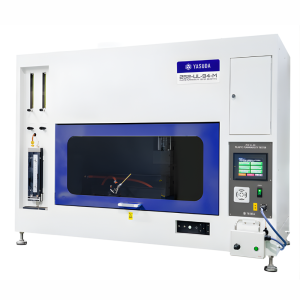
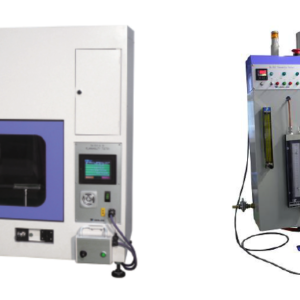
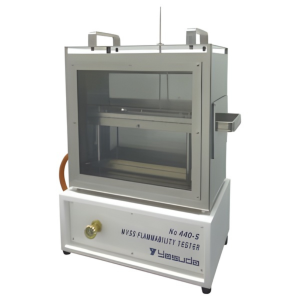
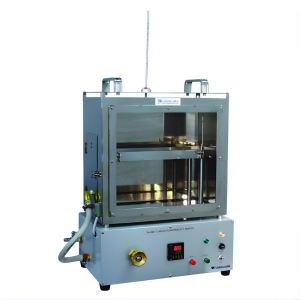
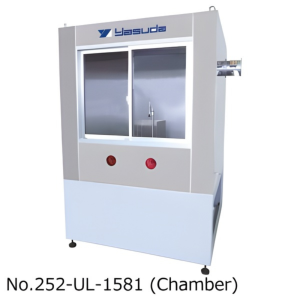
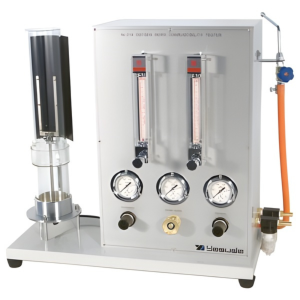
PLASTIC FLAMMABILITY TESTER This is a measurement of the rate at which a material spreads flame according to the UL-94 standard.、JIS K6911、ASTM D635、D3801、D4804、D5025、D5207、ISO 1210 by horizontal and vertical combustion test methods to evaluate the flame-extinguishing capability of materials
Additionally, 5V, VTM, HBF, and HF tests are also conducted.
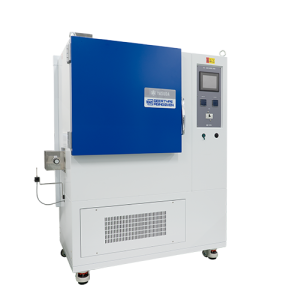
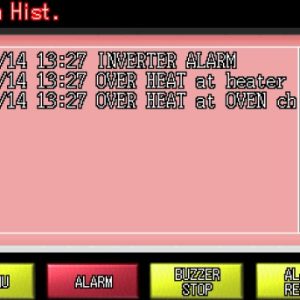
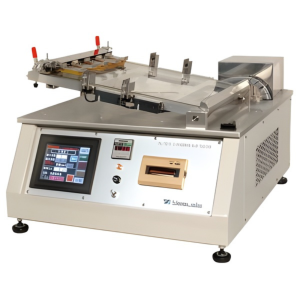
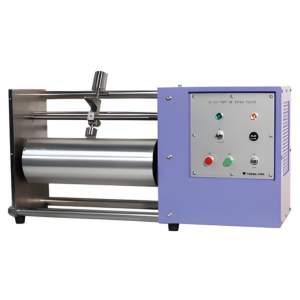
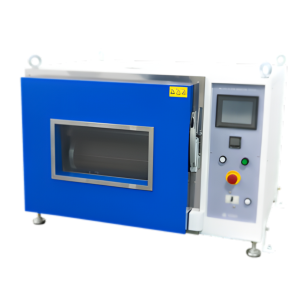
Gear-type accelerated material aging oven with internal air circulation, operating according to specified standards.
The test specimens will be suspended in a chamber maintained at the specified temperature for a designated period to accelerate the degradation process. Afterward, the specimens will be visually inspected and their physical properties measured (e.g., tensile testing) to evaluate thermal degradation properties, such as those of plastics or rubber.
The tested items include automotive parts., Televisions and Computers Exposure to heat affects the lifespan of polymers. Therefore, it is necessary to evaluate the thermal degradation properties of each type of material.
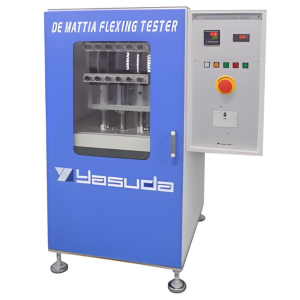
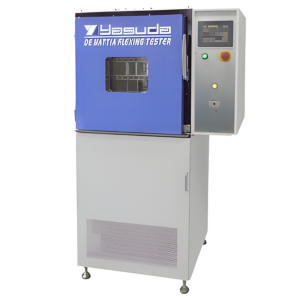
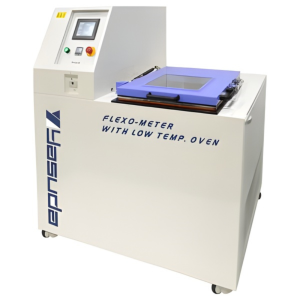
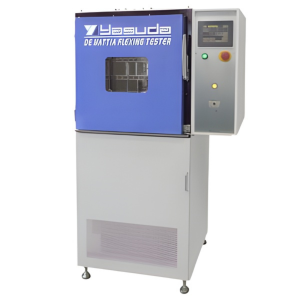
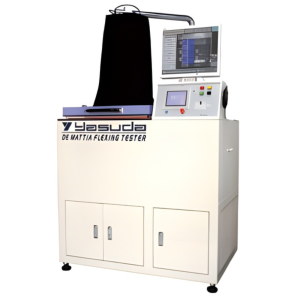
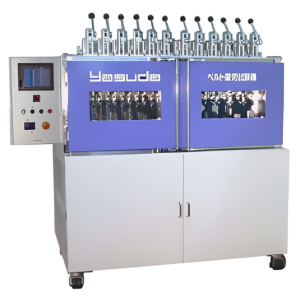
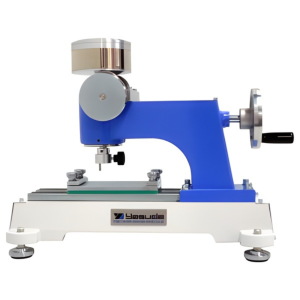
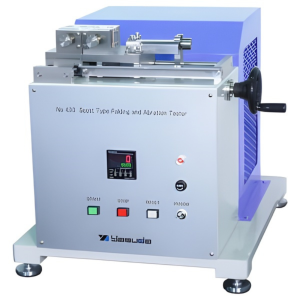
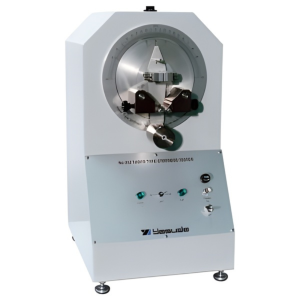
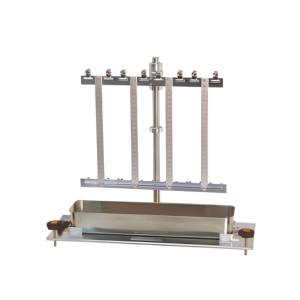
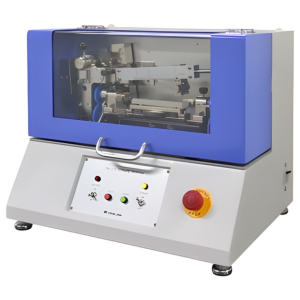
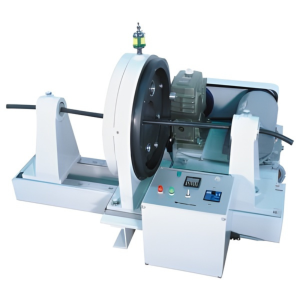
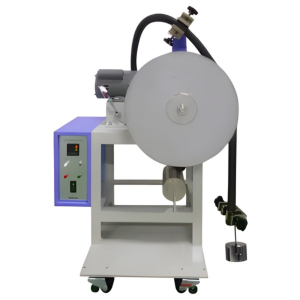
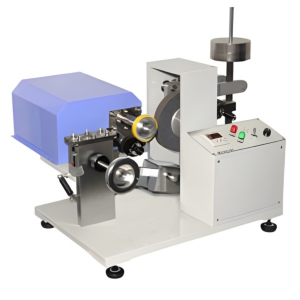
DE MATTIA FLEX-CRACKING AND CRACK GROWTH TESTER, Fatigue Crack Growth This is a test for material fracture caused by bending a specimen and studying crack growth to predict the service life of the material. When materials are subjected to uniform stress, study the fracture and damage of the specimen and predict the performance and service life at various times. According to JIS-K6260, ASTM D813, BS-903, and ISO 132 testing standards
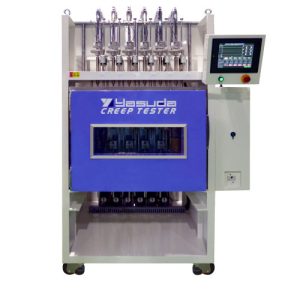
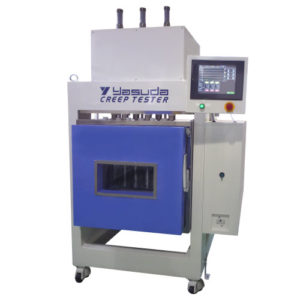
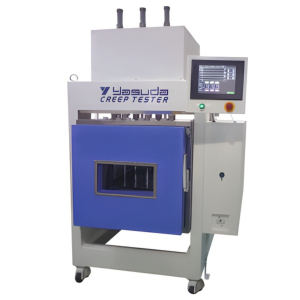
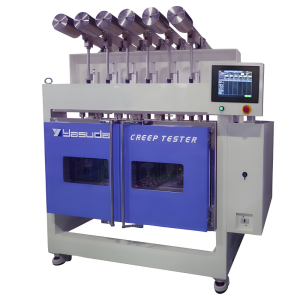
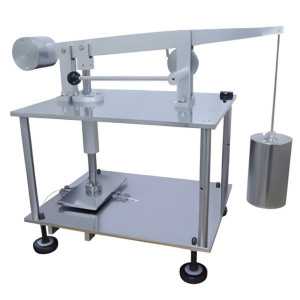
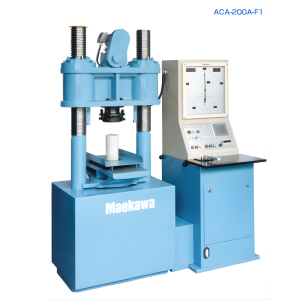
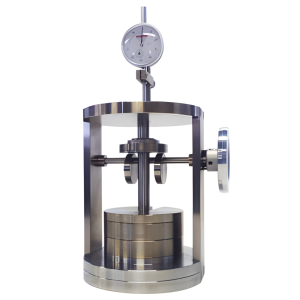
Creep testing of materials or deformation under temperature and constant tensile, compressive, or bending forces to evaluate the strength and thermal durability of materials over extended periods, in order to predict the service life of those materials.
Examples of workpieces include automotive parts, engineering materials, aircraft, and boilers, among others.
According to JIS K7115, ASTM D2990, ISO 899-1 (CREEP TEST), JIS K6263, ISO 3384 (STRESS RELAXATION TEST) standards