
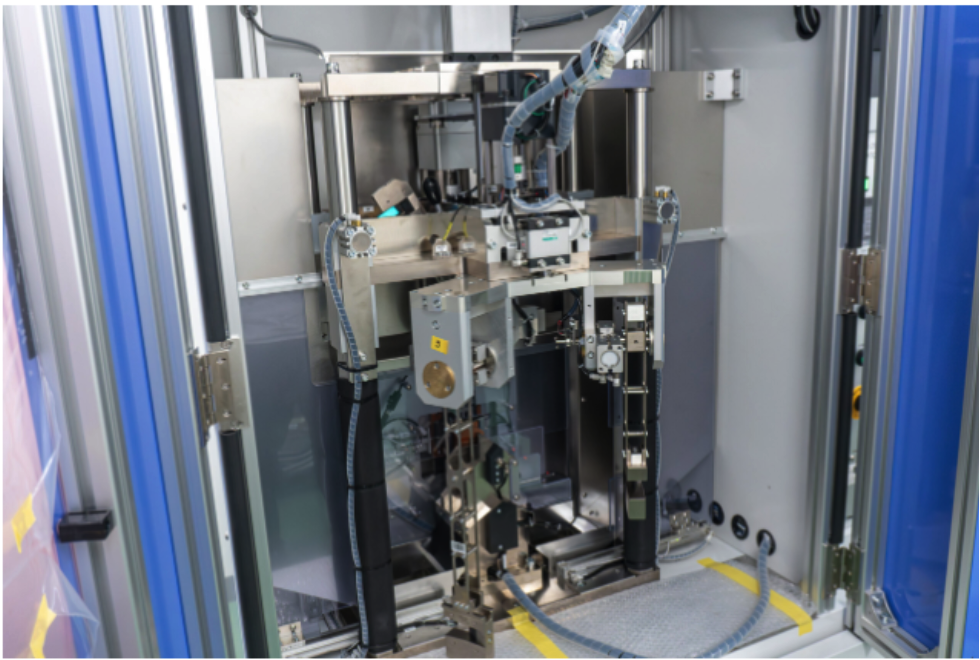
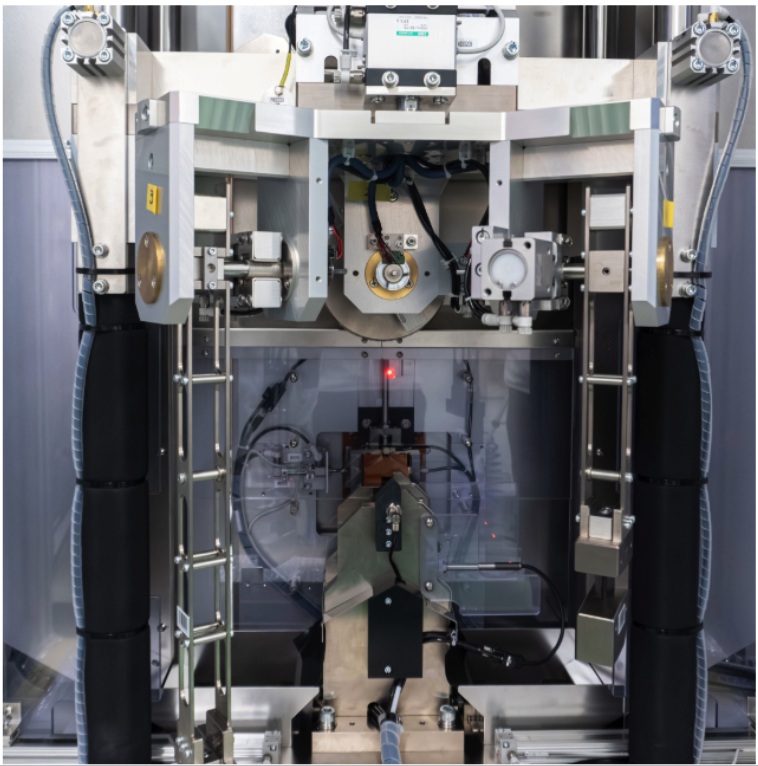
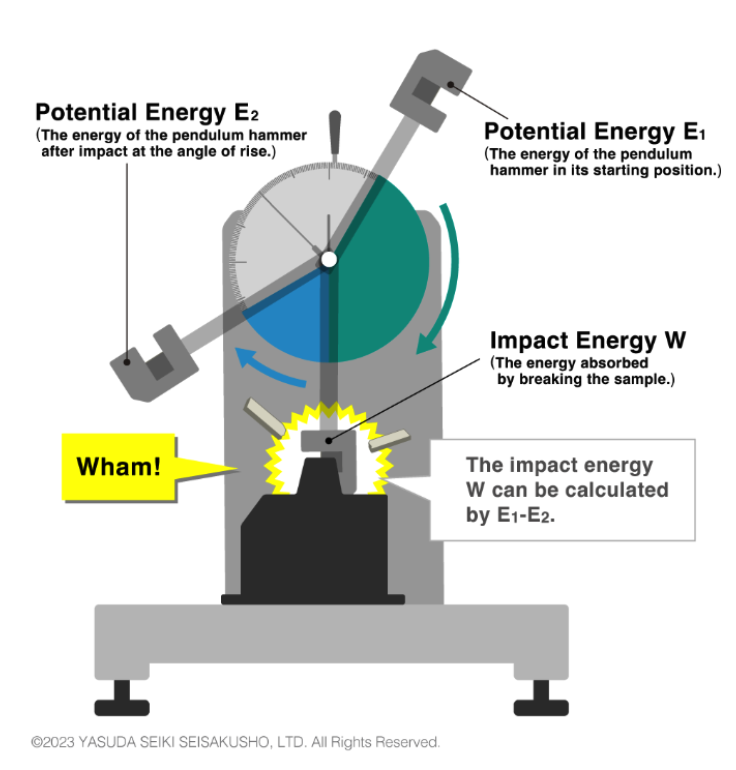
The principle of the impact test is that a hammer swings and strikes the specimen at a specified height. The specimen has a V-shaped notch. The impact energy (the energy required to fracture, deform, or break the specimen) is measured to evaluate the material's strength. The energy absorbed by the specimen to fracture it is measured.
The greater the strength, the higher the energy absorption upon impact. Therefore, samples that can absorb more energy will be stronger and more resistant to shock, in accordance with ISO 13802 and JIS B7739 standards.
ISO 179 Standard
This image shows the appearance of a Charpy impact test hammer.
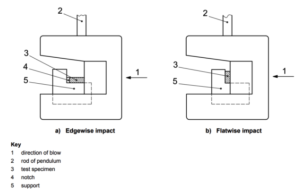
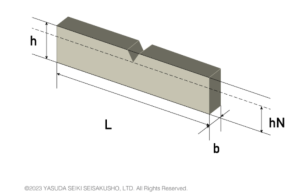
Figure showing Charpy test specimen: This image shows the size of the Charpy test specimen.
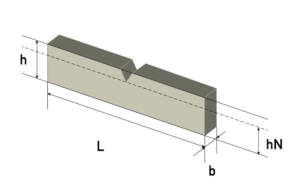

This figure shows the size of the Izod test specimen.

The test piece must not be warped and must have parallel surfaces perpendicular to the vertical axis. The surfaces and edges must be free from scratches, pits, depressions, and flash. The test piece must be visually inspected and observed against straight edges, right angles, and flat surfaces using measuring instruments. Any piece that does not meet any of the specified requirements must be rejected or machined to the appropriate size and shape before testing.
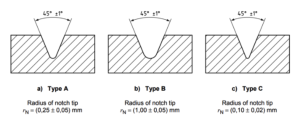
Notch prepared according to standard ISO 2818 The shape of the cross-section is perpendicular to the main axis, as shown in the figure below.
This image shows the workpiece being notched.
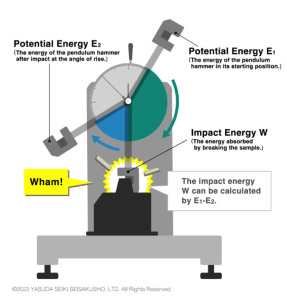
Impact energy is the difference between the potential energy of a hammer before and after striking a workpiece until it breaks.

W = Energy absorbed from the fractured workpiece
E1 = Potential energy of the hammer at the starting position
E2 = Potential energy of the hammer after striking at the lifting angle
In calculating impact energy, the measured energy is the value after deducting air resistance and friction forces in the pendulum. (Friction within the hammer's bearing) Calculated from The differences between the two perspectives are as follows: 1) 1) The angle at which the hammer lifts after striking the workpiece, and 2) the angle at which the hammer lifts when there is no test specimen, to ensure accurate results.

Wc = Energy absorbed after the specimen breaks, minus the friction of air resistance and friction within the pendulum (J)
WR = Moment of the hammer about its axis of rotation (N・m)
α = Hammer release angle (°)
α’ = Angle of lift without test specimen when releasing the hammer from angle α(°)
β = Angle of elevation after impact (°)
【Calculation of Impact Strength (kJ/㎡)】
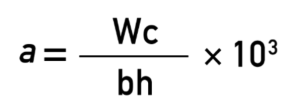
a = Impact force (kJ/㎡)
Wc = Energy absorbed by the workpiece after deducting the frictional force (J)
b = Width of test sample (mm)
h = Thickness of test sample (mm)
Impact TestingCharpi More popular than the IsoD type
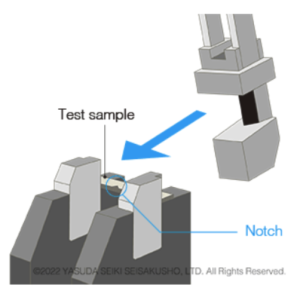
The specimen shall be placed on a horizontal plate, and the hammer shall strike the central branch of the specimen on the side opposite to the notch. In accordance with standards JIS K 7111-1, ISO 179-1, ASTM D 6110.
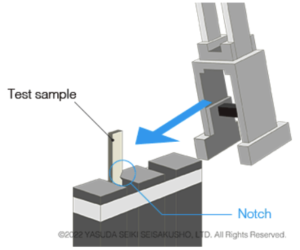
In the Izod impact test, the test specimen is mounted vertically with one end fixed. A hammer strikes the other end along the notch. According to JIS K 7110, ISO180, ASTM D256 standards
Impact Testing Machine for studying the durability of materials in various industries when subjected to sudden forces, which is crucial for designing safe and reliable products.
Selecting Hammers According to ISO (or JIS) Standards.
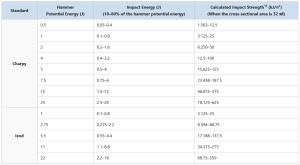
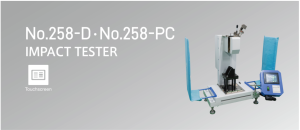
Yasuda Seiki's tools are designed in accordance with international standards (JIS K 7111-1, K 7110, B 7739, ISO 179-1, 180, 13802, ASTM D256, D6110) and global standards.
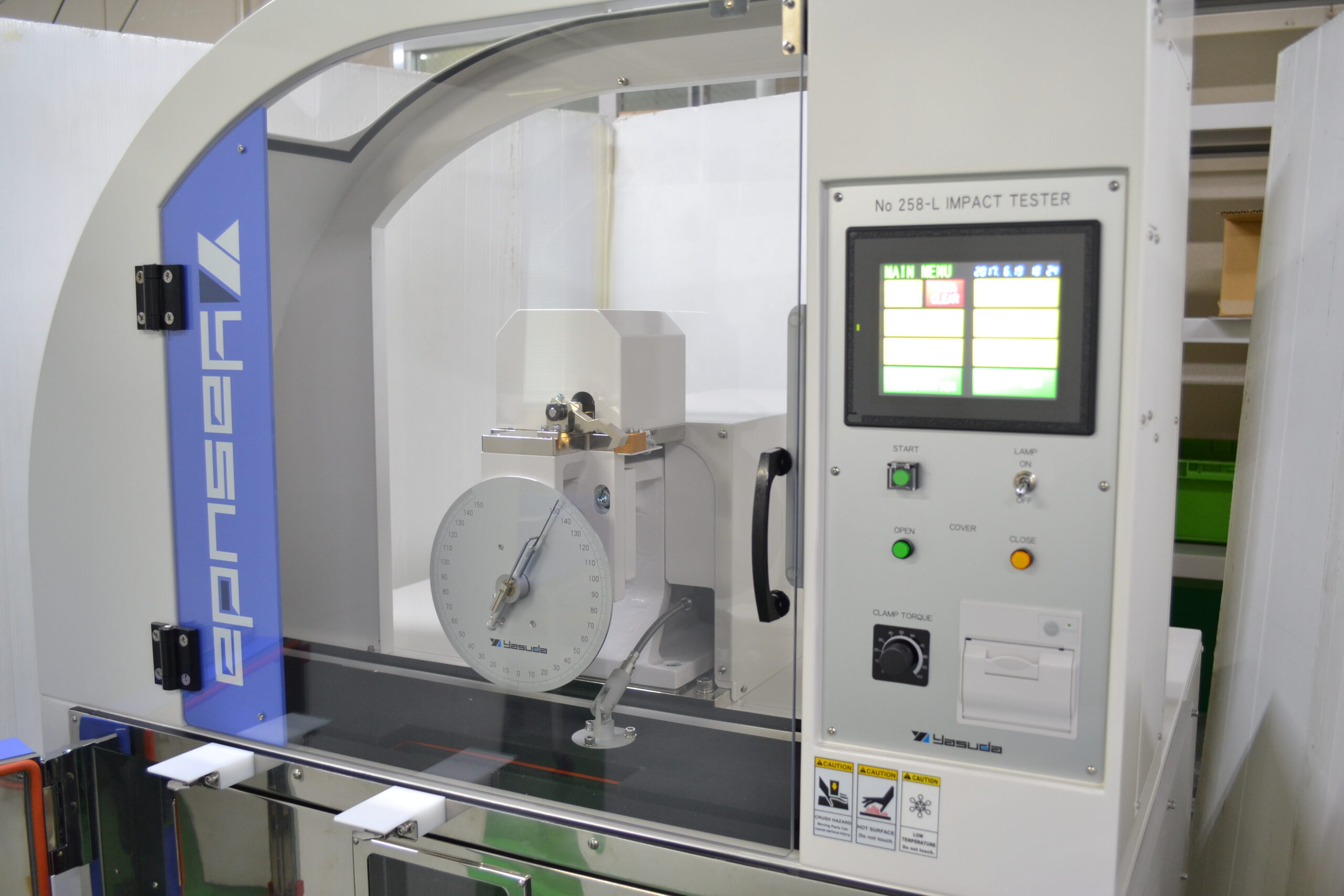
The measurement and calculation system includes both digital and manual modes. If either system fails, the machine can still operate. Additionally, the system offers the benefit of precise calibration.
The hammer can be equipped with additional weights to reduce costs and eliminate the need to use multiple hammers.
There is a built-in printing device (Mini printer) that can connect to a computer and output CSV data.
The device has a built-in calibration hammer function to calibrate the device before use. Therefore, the test results will be highly accurate, saving time and test samples.
The device is made from high-quality materials, ensuring a long service life and stability even under heavy use.
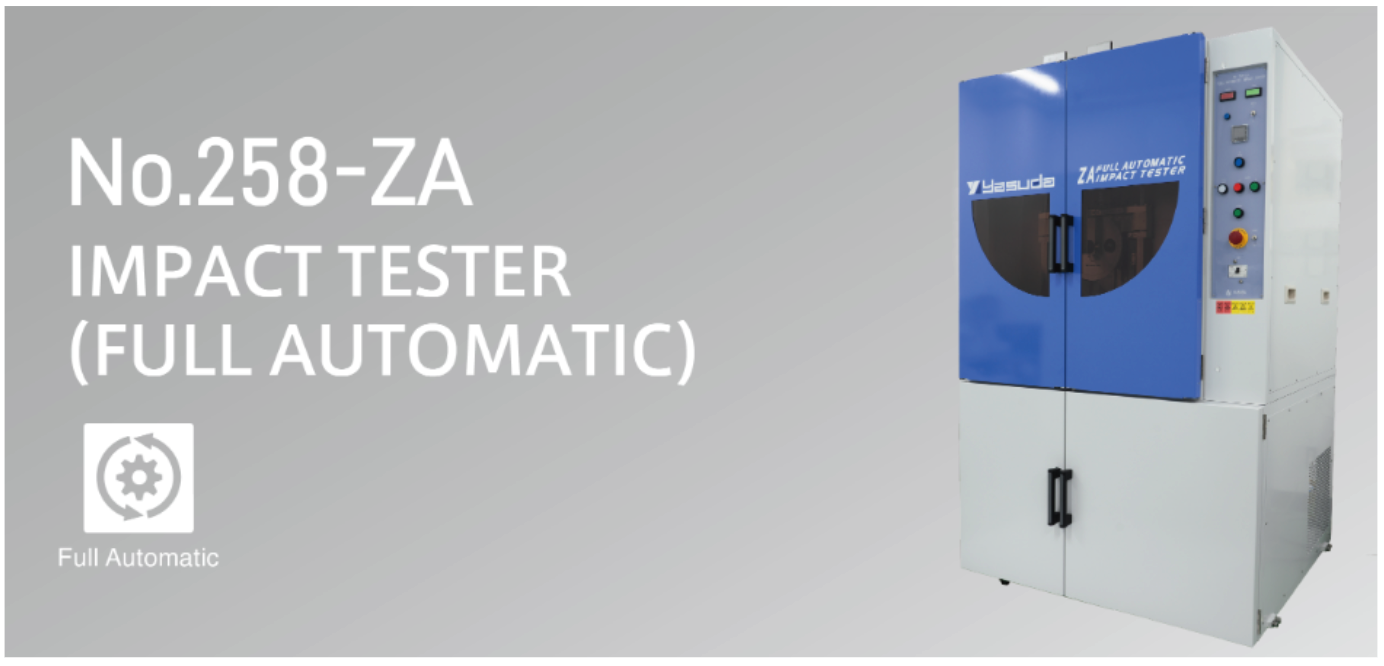
Yasuda Seiki's fully automated, proprietary testing revolutionizes the comprehensive automated impact testing process. It reduces operator workload and eliminates human error. Operators can focus more on analyzing test results, increasing time for product quality control and development.
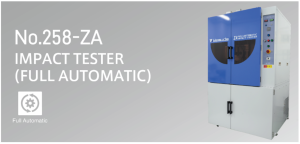
1. Fully Automated System (Full Automation)
2. Workpieces are handled intelligently (Smart Sample Handling)
3. Key Options for Enhancing Potential No. 258-ZA
Image showing a full-scale automatic impact testing machine
Continuous testing is possible for up to 210 pieces.
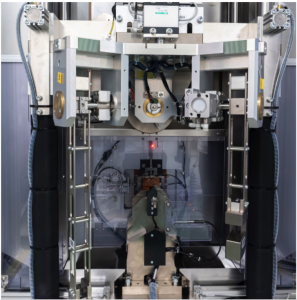
The machine can automatically switch between three chisel hammers.
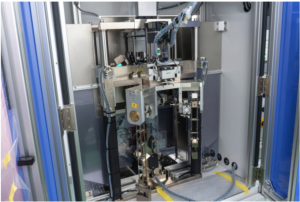
Main Unit Specifications:
・Electric hammer release
・Automatic hammer lifting mechanism
・Automatic Sample Setting
Capacity: 70 samples × 3 cassettes (Total: 210 samples)
Sample size: Width 10 × Thickness 4 × Length 80 mm
Dedicated software: Compatible with Windows
Air Source: 0.5 MPa or higher
Power Source: AC 200V, single-phase, 10A, 50/60Hz
With Refrigeration Machine: AC 200V, 3-phase, 30A, 50/60Hz
Dimensions / Weight (Approximate) : W1,150 × D1,050 × H1,950 mm/ 700 kg
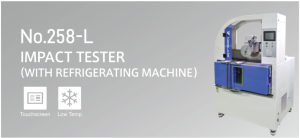
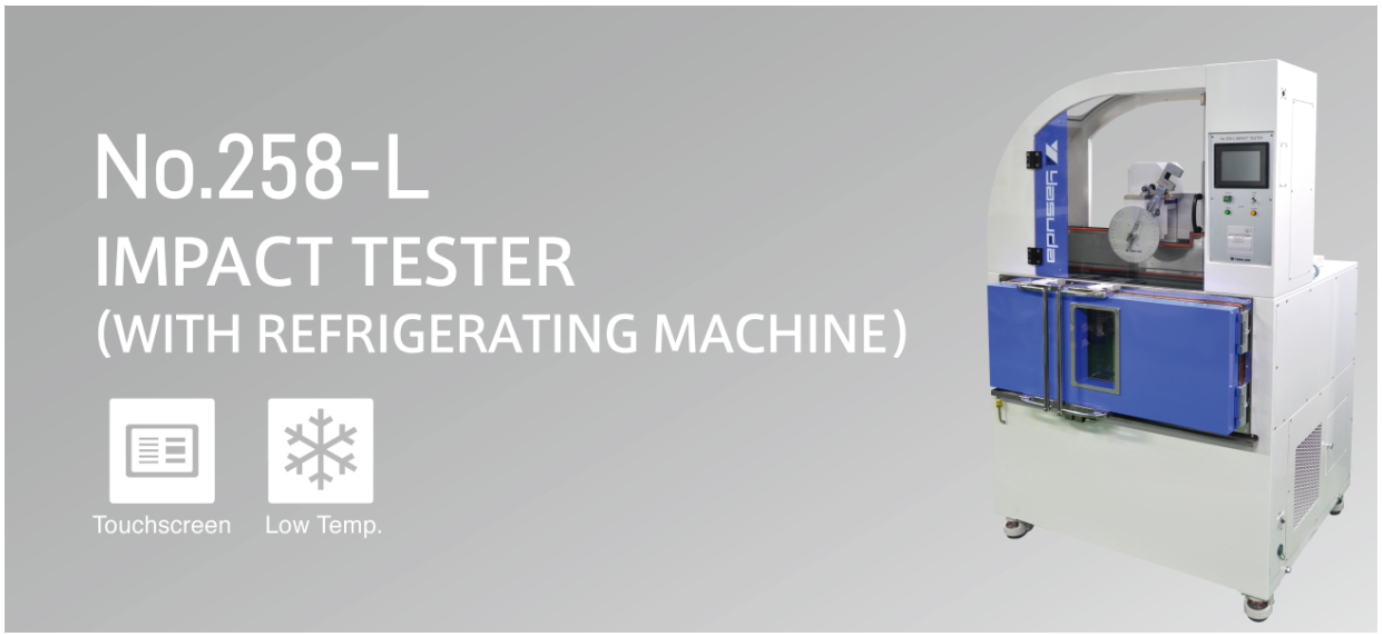
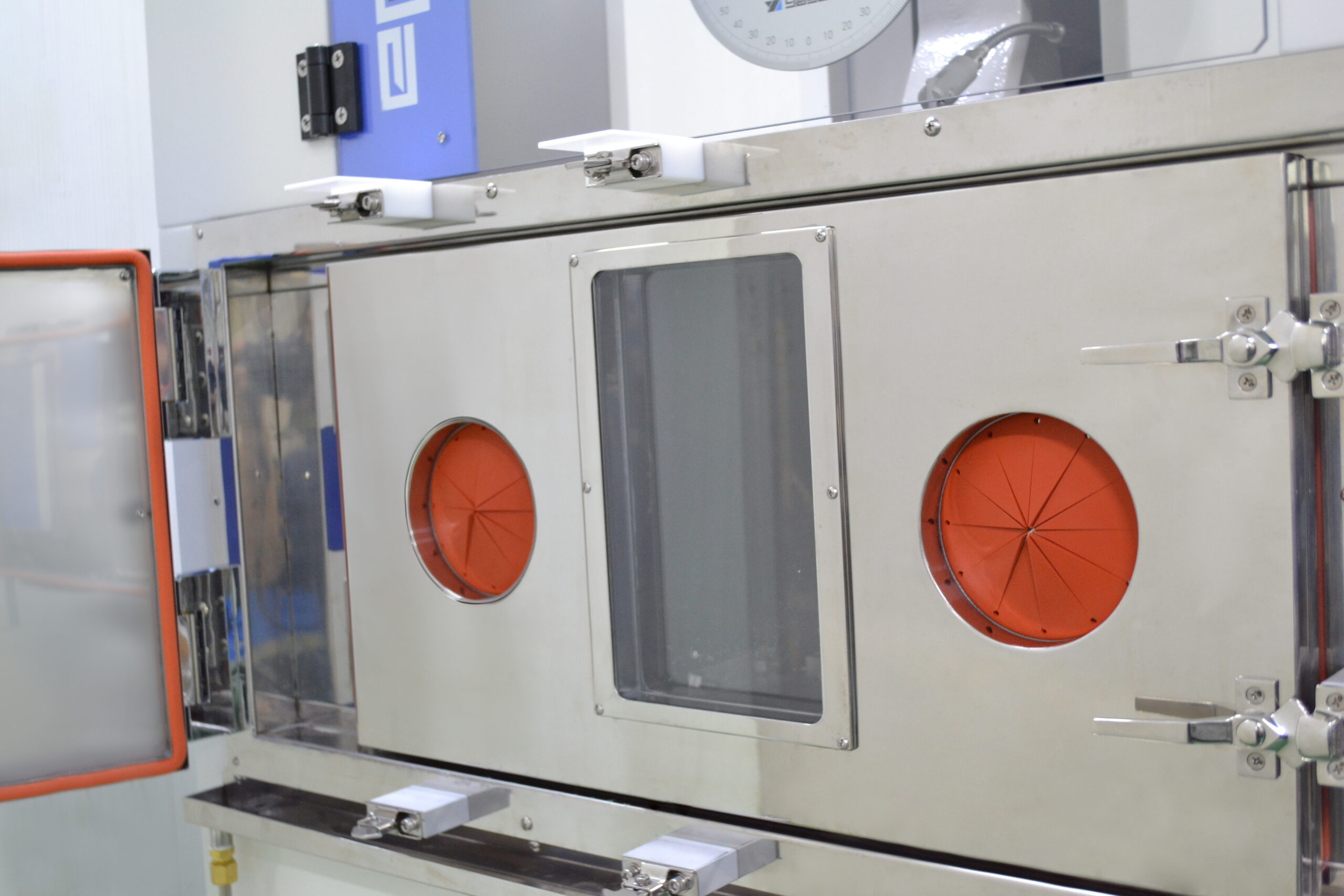
Impact testing machine with temperature control between -35℃ to 60℃ By the cooling system
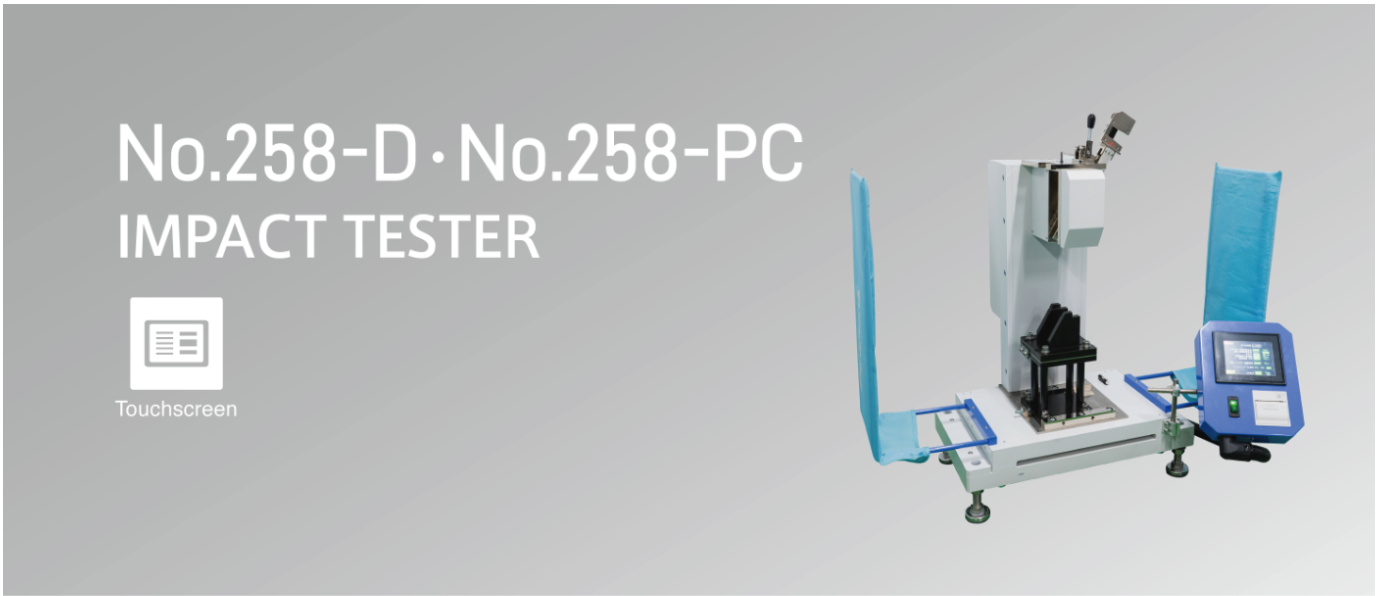
The device is controlled by a touchscreen with user-friendly functions. The angle meter features two systems: digital and manual, for precise calibration and efficient test result verification.
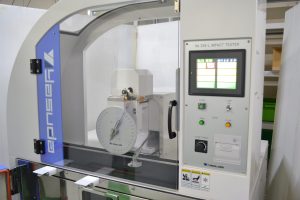
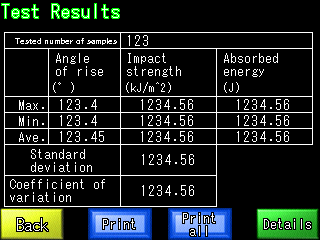
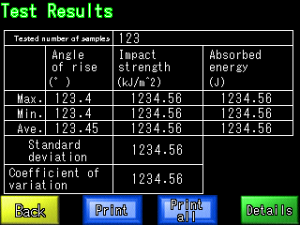
The touchscreen display shows the impact force, which is automatically calculated based on the hammer's lifting angle, as well as the average of the test results.
Temperature: -35℃ to 60℃ (Refrigeration System)
Main Unit Specifications:
・Touchscreen operation
・Analog scale included
・Electric hammer release
・Safety cover with interlock
Power Source: AC 200V, 3-phase, 40A, 50/60Hz
Dimensions/Weight (Approximate): W1,100 × D1,160 × H1,760 mm/ 450 kg
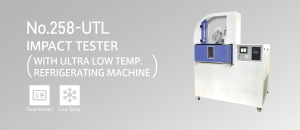
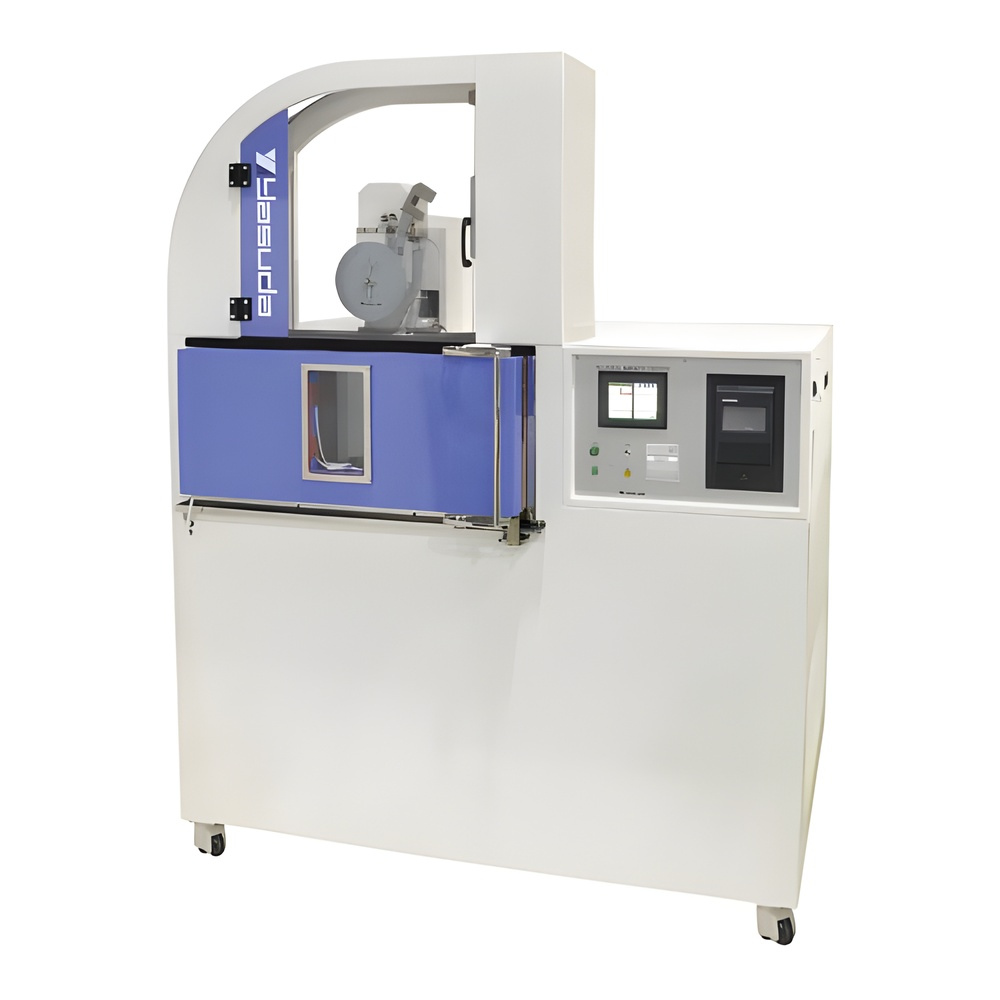
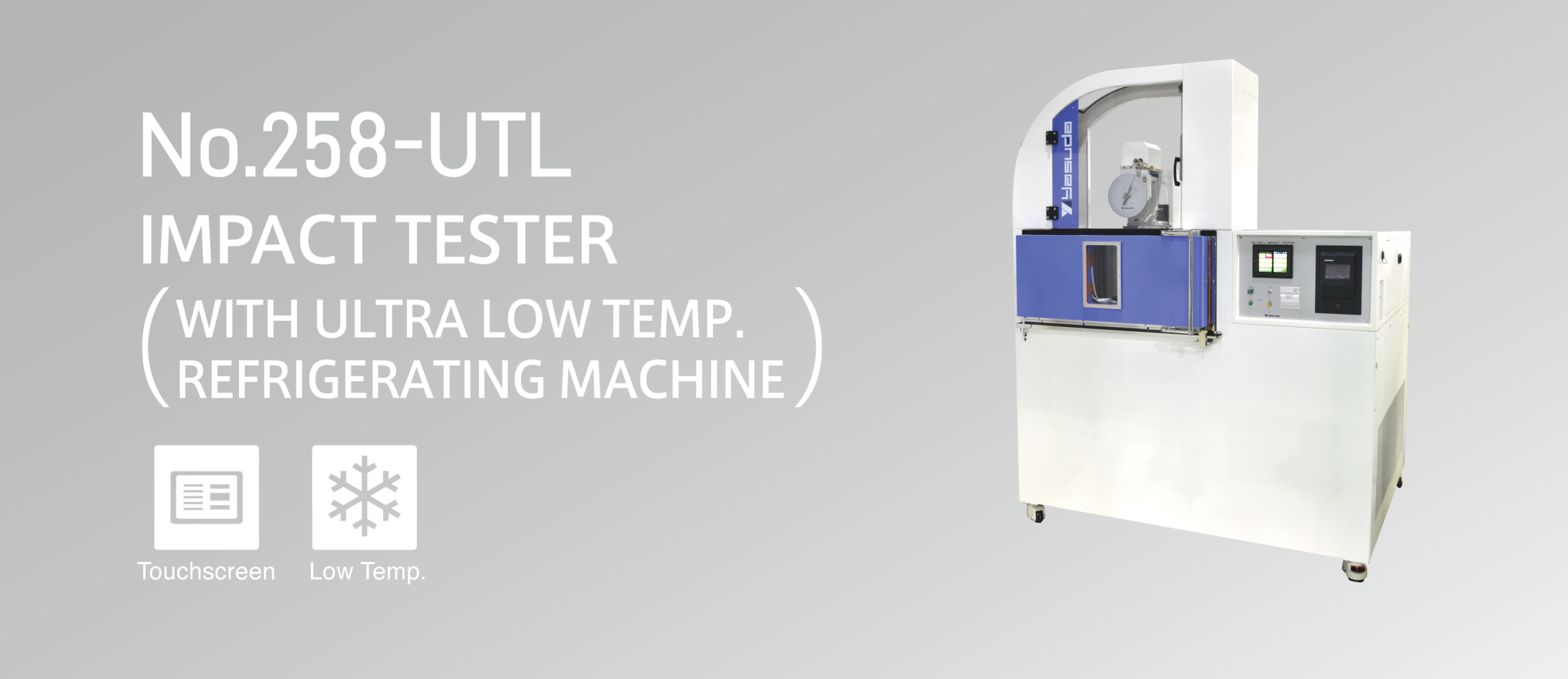
Temperature: -50℃ to 60℃ (Refrigeration System)
Main Unit Specifications:
・Touchscreen operation
・Analog scale included
・Electric hammer release
・Safety cover with interlock
Power Source: AC 200V, 3-phase, 30A, 50/60Hz
Dimensions/Weight (Approximate): W1,670 × D1,480 × H2,130 mm/ 710 kg
Reference Standards
*This product is designed for plastic impact testing; it is not compatible with metal samples.